IMAGE CREATION / EXPRESSIVE INK
CHAOTIC
SCRIBBLISM
PORTRAIT.
A sharp identity. A storm of unfinished thoughts.
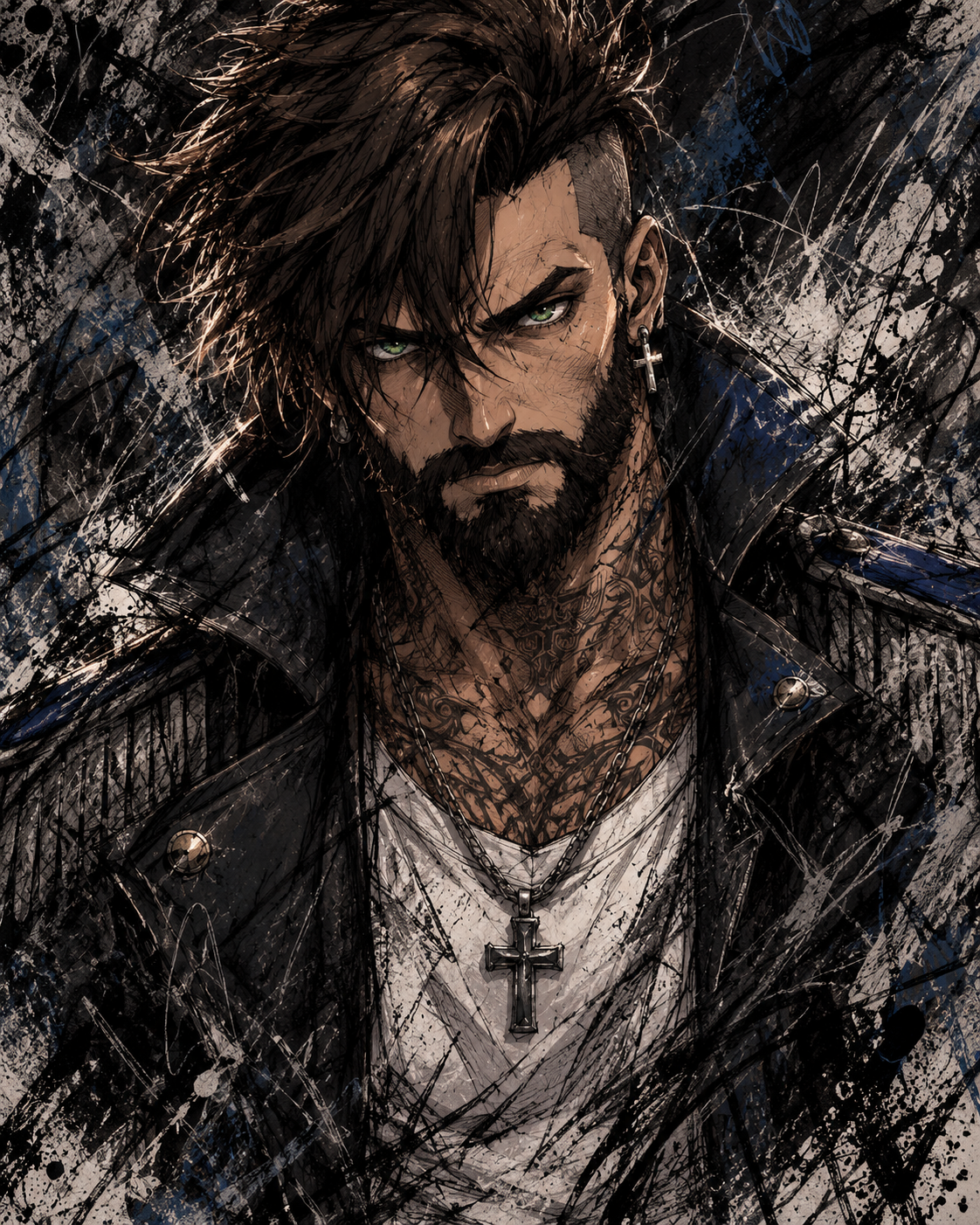
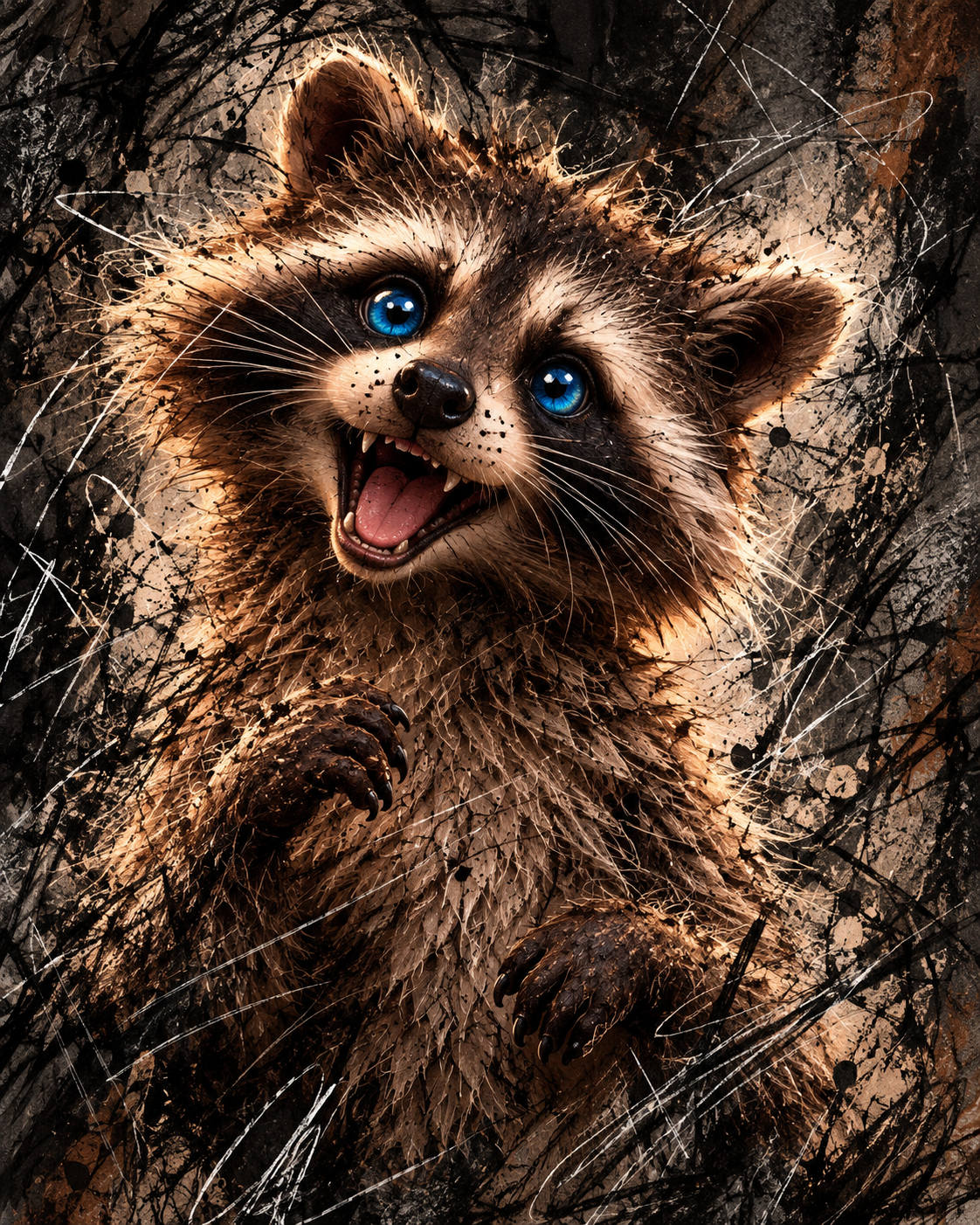
Build an intense chest-up character portrait from frantic scribbles, scratched ink, charcoal, and distressed texture. Keep the face unmistakable while the edges dissolve into artistic chaos.
GET THE PROMPT ↓THE FINISHED LOOK
02 EXAMPLESTwo distinct characters, the same expressive storm of marks. Select either image to view the uncropped original at full size.
BEFORE YOU CREATE
START WITH YOUR CHARACTER SHEET.
- Attach your reference. Supply the character sheet that defines the character's identity, clothing, and palette.
- Copy the complete prompt. Paste it into your image generation chat with the sheet.
- Keep identity readable. Check the face, eyes, and signature features. Let the outer edges carry the chaos in a 4:5 portrait.
THE COMPLETE PROMPT
ORIGINAL TEMPLATECopy the complete prompt and supply your character sheet. The wording below is preserved, with paragraph breaks for readability.
Read the complete prompt
Use the uploaded character sheet as the absolute visual authority for the character.

Create a single bust-up artistic portrait of the character, framed from approximately the chest/upper torso upward. This is not a character sheet and should contain no text, labels, panels, turnarounds, or reference-sheet formatting.

Preserve the character’s established identity exactly as shown in the reference sheet. Accurately maintain their:

* facial structure and apparent age
* skin tone, species, and other physical traits
* eye color and eye shape
* hairstyle, hair color, and hair texture
* facial hair, if present
* scars, tattoos, markings, piercings, horns, ears, or other defining features
* clothing, armor, jewelry, accessories, and signature items visible in the portrait
* established color palette

Do not redesign, simplify, substitute, or reinterpret identifying features. The character should remain immediately recognizable as the exact person depicted on the sheet.

ART STYLE

Render the portrait in an intense chaotic scribblism / expressive ink illustration style.

Combine:

* frantic hand-drawn linework
* overlapping scribbles
* aggressive scratch marks
* loose graphite and charcoal textures
* rough ink strokes
* crosshatching
* dry-brush marks
* paint splatters
* smeared pigment
* abstract gestural lines
* distressed paper and grunge textures

The artwork should feel raw, emotional, imperfect, energetic, and deliberately uncontrolled, as though the portrait was constructed from hundreds of violent sketch marks.

Keep the face, eyes, and major identifying features comparatively sharp and readable, while allowing the linework to become increasingly chaotic around the hair, clothing, shoulders, and outer edges of the composition.

Scribbled lines may overlap portions of the character, but they must never obscure their identity.

COMPOSITION

Place the character prominently in the center of the image in a powerful chest-up portrait.

Avoid simply copying the character’s pose from the reference sheet. Give them a new natural portrait pose and expression appropriate to their personality.

Use a slightly cinematic camera angle rather than a flat ID-photo composition.

Emphasize the character’s eyes and facial expression as the primary focal point.

Allow portions of the shoulders, clothing, hair, accessories, or silhouette to dissolve into chaotic brushwork and scribbled marks near the edges.

LIGHTING

Use dark cinematic, high-contrast lighting with:

* deep shadows
* dramatic highlights
* sharp rim lighting
* directional light across the face
* atmospheric falloff

Let metallic objects, jewelry, eyes, armor, supernatural features, or other important elements catch small highlights where appropriate.

COLOR

Base the artwork on the character’s existing palette.

Keep most of the image relatively dark and desaturated while allowing selective accents from the character’s signature colors to break through the monochrome scribbles.

Eye color or another defining feature may receive slightly stronger saturation to create a visual focal point.

Do not introduce unrelated colors that conflict with the reference sheet.

BACKGROUND

Create an abstract, distressed background made from:

* black and charcoal brush strokes
* scratched surfaces
* chaotic pencil marks
* ink splashes
* looping scribbles
* fractured shapes
* subtle smoke, dust, or painted texture

The background should feel like the character is emerging from a storm of sketches and unfinished thoughts rather than standing in a literal environment.

Integrate some of the character’s established colors into the background very subtly.

FINAL LOOK

The finished piece should feel like a premium experimental character portrait, combining cinematic character illustration with underground sketchbook art, grunge poster design, charcoal drawing, graffiti energy, and chaotic scribblism.

High detail on the face. Raw detail everywhere else.

Recognizable character identity + controlled focal point + uncontrolled artistic chaos.

No text.
No logos.
No border.
No character-sheet layout.
No additional characters.
No clean digital cel-shaded appearance.
No generic redesign of the character.

Portrait aspect ratio: 4:5.