IMAGE CREATION / CINEMATIC CHARACTER MONTAGE
THE LEGEND
WITHIN.
One character. A thousand moments. An entire legend.
Weave a celestial portrait, five to seven narrative vignettes, and a full body protagonist into one continuous cinematic anime illustration. Let the character’s identity shape the palette, supernatural energy, and story.
GET THE PROMPT ↓THE FINISHED LOOK
02 EXAMPLESOne presentation, two distinct characters. Select an image to view the original at full size.
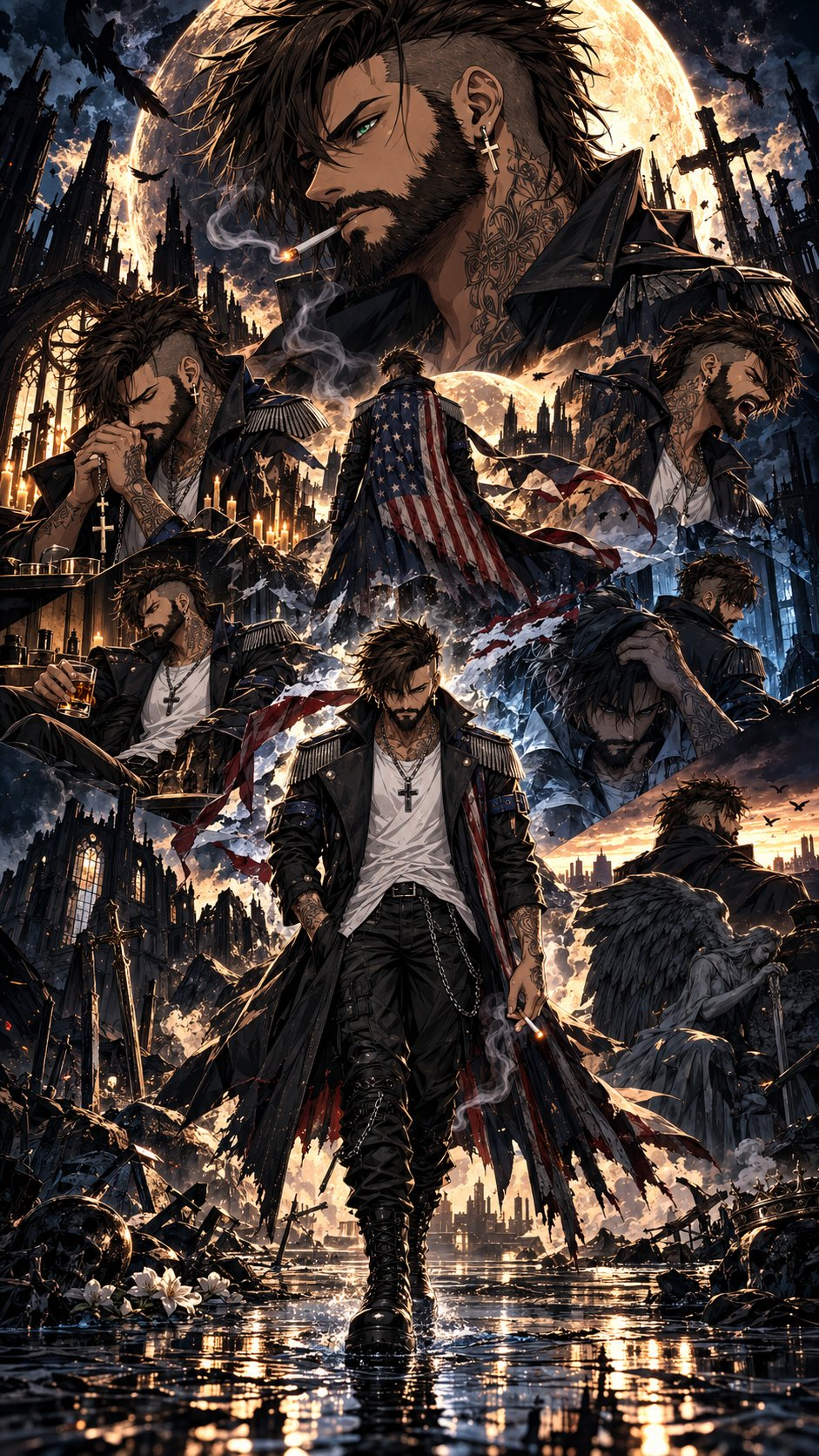
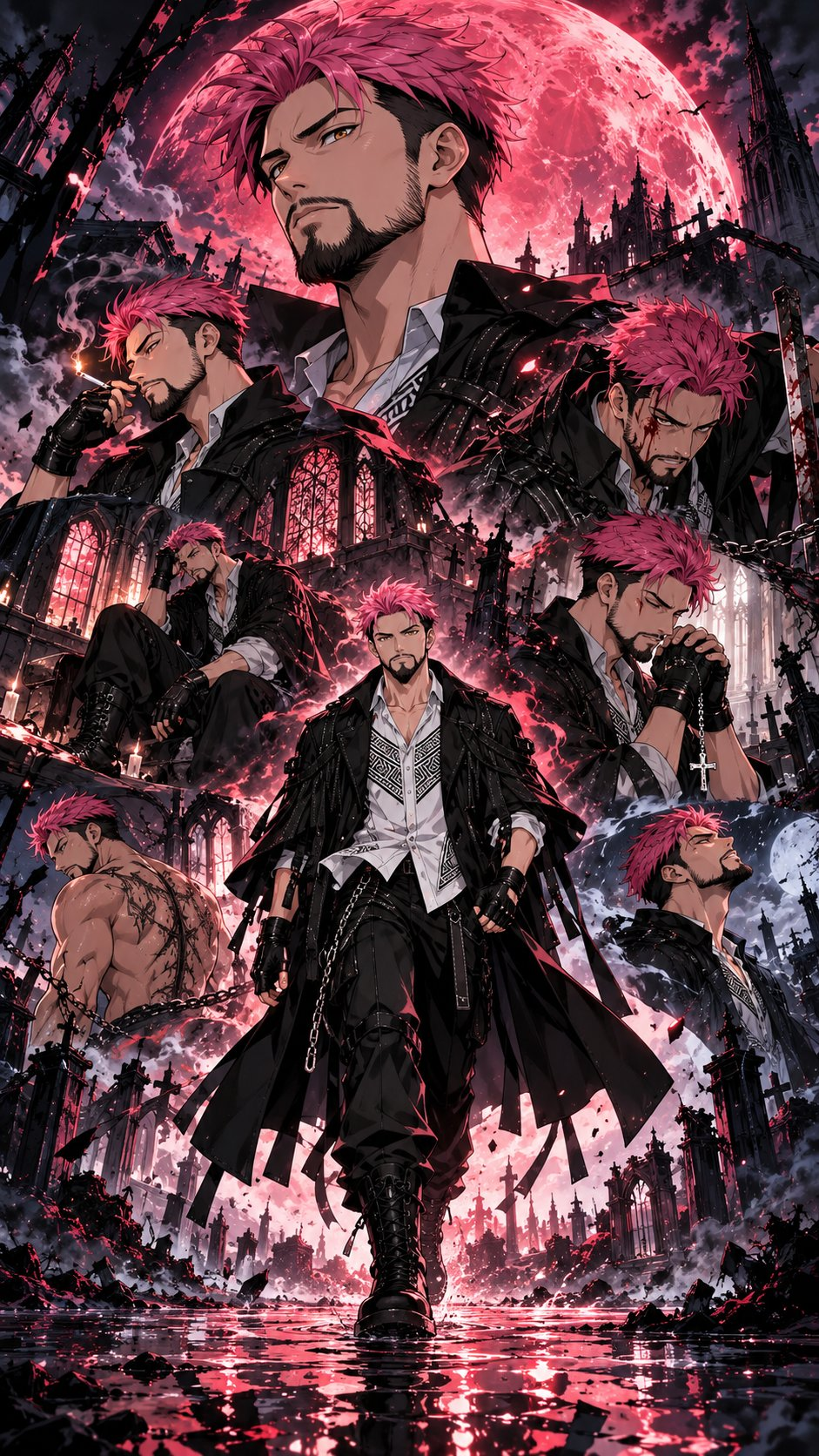
BEFORE YOU CREATE
ONE CHARACTER. AN ENTIRE LEGEND.
- Attach your character sheet. Supply the reference that defines the character's face, clothing, markings, and accessories.
- Copy the complete prompt. Attach your character sheet as Image 1. The prompt defines the celestial portrait, narrative vignettes, and walking figure.
- Create the portrait. Paste the prompt with Image 1 into your image generation chat. Every appearance depicts the same character, with consistent anatomy, clothing, and defining features.
THE COMPLETE PROMPT
ORIGINAL TEMPLATEThe complete prompt with pasted X links and HTML spacing cleaned up. Image 1 means your character sheet.
Read the complete prompt
THE LEGEND WITHIN

Universal Cinematic Anime Character Montage

Character Sheet Driven | Epic Fantasy Illustration | 9:16 Vertical

1. MANDATORY CHARACTER SHEET AUTHORITY Image 1 = Character Sheet (Required)

Create exactly ONE breathtaking, extraordinarily detailed cinematic anime illustration featuring the character established by Image 1 .

The supplied character sheet is the absolute authority for the character’s identity.

Preserve their established:

* Facial anatomy, features, and proportions
* Hairstyle, hair length, texture, and color
* Eye color, shape, and distinctive markings
* Skin tone, species, and anatomical characteristics
* Clothing, accessories, and recognizable silhouette
* Signature weapons, equipment, or personal objects
* Overall personality and visual identity

The character must remain immediately recognizable in every appearance throughout the composition.

Never replace the supplied character with the character from the inspiration image.

Do not copy the original character’s costume, bamboo muzzle, pink kimono, or other character specific features unless those elements genuinely belong to the supplied character sheet.

If no character sheet is provided, do not generate an image.

2. CORE CONCEPT — A LEGEND TOLD THROUGH ONE IMAGE

Create a monumental anime fantasy poster that feels like an entire character’s story has been compressed into one extraordinary illustration.

The artwork combines a commanding central figure, a magnificent oversized celestial portrait, and numerous smaller narrative scenes woven into a continuous supernatural environment.

Every appearance represents a different emotional, symbolic, or dramatic aspect of the SAME character.

The composition should feel like a visual mythology, revealing the character’s strength, vulnerability, history, inner conflict, and destiny without requiring written explanation.

The image should communicate:

One character. A thousand moments. An entire legend.

3. COMPOSITION — THREE LAYERS OF STORYTELLING

UPPER THIRD — THE CELESTIAL PORTRAIT

Dominating the upper portion of the artwork is an enormous, beautifully illustrated portrait of the character.

Their head and upper shoulders occupy a significant portion of the upper composition.

Use a dramatic three quarter or side profile, with their gaze directed toward the distant horizon or subtly toward the viewer.

Their expression should reflect the personality established by the character sheet.

Hair, fabric, accessories, or other appropriate character features extend outward, flowing naturally into the surrounding environment.

Behind the portrait hangs an enormous luminous celestial body.

Select its appearance to complement the character’s identity:

* A colossal blood moon
* A brilliant golden eclipse
* An icy blue celestial sphere
* A violet supernatural moon
* A fractured cosmic planet
* A luminous white moon surrounded by darkness
* Another visually appropriate celestial phenomenon

The celestial body must create an unforgettable silhouette behind the character.

MIDDLE THIRD — THE TAPESTRY OF MEMORIES

Beneath the enormous portrait, weave approximately five to seven smaller narrative vignettes into the artwork.

Every vignette features the SAME character from Image 1 , portrayed in different poses, expressions, and emotional states.

These should include a visually balanced selection of:

* A moment of determination or defiance
* A quiet, vulnerable or introspective moment
* A dramatic action pose
* A moment of sorrow, reflection, or emotional struggle
* A powerful supernatural or heroic moment
* A peaceful moment suggesting hope or redemption
* A symbolic confrontation with their own darkness

Each vignette should be distinct, expressive, and meaningful.

The character may appear at different scales and angles, but their identity and defining features must remain consistent.

These smaller scenes must NOT resemble a comic strip, storyboard, or collection of rectangular panels.

Instead, organically merge them into the larger illustration using swirling supernatural energy, atmospheric particles, flowering branches, drifting fabric, luminous trails, smoke, or other character appropriate elements.

The vignettes should emerge naturally from the environment, almost like memories suspended within a supernatural current.

Use careful visual hierarchy so the smaller scenes support the larger composition without overwhelming it.

LOWER THIRD — THE ASCENDING FIGURE

At the bottom center stands the most important full body depiction of the character.

Show the character walking directly toward the viewer with a confident, purposeful stride.

The character should appear powerful, mysterious, and emotionally compelling.

Their clothing, hair, and accessories move dynamically in an unseen supernatural wind.

Position the camera slightly below eye level to create a heroic, monumental presence.

The full body must remain visible, including correctly proportioned legs, feet, and footwear.

Beneath their feet is a dark reflective surface, such as shallow water, polished stone, or a magical reflective plane.

Subtle reflections capture the character’s silhouette and surrounding supernatural light.

Behind the walking figure, enormous swirling supernatural energy rises upward, visually connecting the bottom of the illustration to the smaller vignettes and the celestial portrait above.

The bottom figure must be instantly readable as the central protagonist.

4. CHARACTER SPECIFIC SUPERNATURAL ENERGY

The supernatural effects must be uniquely designed around the supplied character.

Do not automatically use pink flames or cherry blossoms.

Instead, analyze the character sheet and infer an appropriate visual language from their established appearance, clothing, personality, motifs, and equipment.

Possible visual elements include:

* Ethereal flames and luminous smoke
* Lightning, sparks, and electrical arcs
* Falling petals, leaves, or flowers
* Celestial particles and floating stardust
* Ink like shadows and fragmented darkness
* Glowing runes and ancient symbols
* Shattered glass and crystalline fragments
* Feathers, embers, or spectral ribbons
* Magical water, frost, or cosmic dust
* Digital distortions for technologically themed characters

Choose a cohesive combination of approximately two or three major effects.

The supernatural effects should originate from the character’s visual identity rather than feel randomly added.

Use the effects to create an elegant, continuous, winding flow from the bottom center through the middle vignettes toward the enormous celestial portrait.

5. COLOR PALETTE — AUTOMATIC CHARACTER ADAPTATION

Derive the primary color palette directly from Image 1 .

Identify the character’s most visually significant colors and use them to establish the entire illustration’s atmosphere.

Develop a cinematic palette consisting of:

Primary color: The character’s dominant signature color.

Secondary color: A complementary shade taken from their established design.

Accent color: A brighter luminous color used for magical effects and dramatic highlights.

Shadow color: A deep, atmospheric shade that enhances the primary palette.

The celestial body, supernatural effects, environmental particles, and reflected light should share this unified color identity.

Maintain deep blacks, rich midtones, luminous highlights, and restrained saturation outside the focal points.

The resulting illustration should feel harmonious, atmospheric, and visually distinctive.

6. ART DIRECTION — PREMIUM ANIME FANTASY ILLUSTRATION

Create the artwork in an exceptionally refined, semi realistic anime illustration style with heavy cel shading and extraordinary environmental detail.

Visual qualities:

* Exquisite anime facial rendering
* Intricate, individually flowing hair strands
* Beautifully controlled linework
* Detailed fabric folds and clothing textures
* Dramatic cinematic rim lighting
* Soft volumetric light passing through atmospheric particles
* Deep, layered shadows
* Rich, painterly environmental details
* Brilliant supernatural light effects
* Subtle bloom surrounding luminous elements
* High contrast between the protagonist and the environment
* Detailed yet visually organized compositions

The result should resemble an extraordinary official theatrical anime movie poster created by an elite Japanese animation illustration studio.

It must feel like a carefully hand illustrated masterpiece, not a generic AI collage.

7. ENVIRONMENTAL INTEGRATION

Surround the character montage with a richly detailed supernatural landscape.

Use a mostly dark background with carefully placed atmospheric highlights.

Frame the illustration with environmental elements appropriate to the character, such as silhouetted branches, architectural ruins, drifting smoke, crystalline formations, or supernatural foliage.

Keep the outer edges darker to naturally guide the viewer toward the central figure.

Allow luminous particles and magical effects to travel throughout the composition.

The enormous celestial portrait should blend seamlessly into the environment.

The middle vignettes should appear embedded within the supernatural atmosphere.

The lower figure should feel physically grounded within the scene.

All three composition layers must appear as one continuous illustration rather than separate images pasted together.

8. EMOTIONAL STORYTELLING

The illustration should feel simultaneously beautiful, haunting, powerful, and deeply personal.

Every depiction of the character should contribute to a larger emotional narrative.

The enormous portrait represents their inner identity.

The smaller scenes represent the experiences, conflicts, and memories that shaped them.

The walking figure represents the person they have become.

The celestial body represents their larger destiny.

Use expression, posture, lighting, and visual symbolism to communicate this story.

Avoid random action scenes that do not contribute to the overall emotional atmosphere.

9. STRICT COMPOSITION AND ANATOMY REQUIREMENTS

Canvas: 9:16 vertical portrait.

Image count: Exactly ONE completed illustration.

Character identity: Only the character established by Image 1 .

Main composition:

* One enormous upper portrait
* Approximately five to seven smaller narrative appearances
* One full body central figure at the bottom
* One enormous celestial backdrop
* One continuous supernatural energy flow

Every depiction must have correct anatomy, consistent clothing details, recognizable facial features, and appropriate limb proportions.

No unintended additional characters.

No duplicated heads within individual scenes.

No fused bodies or malformed hands.

No random costume changes.

No inaccurate facial features.

No floating disconnected body parts.

No rectangular comic panels.

No excessive empty space.

No typography, logos, captions, watermarks, or borders.

10. FINAL RENDERING DIRECTIVE

Create a visually overwhelming yet elegantly composed anime masterpiece.

The viewer’s eye should first be drawn to the enormous celestial portrait, then follow the flowing supernatural energy through the smaller emotional vignettes, ultimately arriving at the full body protagonist walking toward the viewer.

The artwork must feel immense in scale, intimate in emotion, and unified in design.

Prioritize character recognition, sophisticated visual storytelling, stunning celestial lighting, extraordinary detail, and powerful composition.

The final image should feel like the definitive visual celebration of the supplied character’s entire existence.

One character. One destiny. One unforgettable illustration.